We get it. The idea of homeschooling sounds great in theory — but actually doing it can feel overwhelming.
What about legal stuff? What do I teach? Will my child have friends? Am I even qualified to do this?
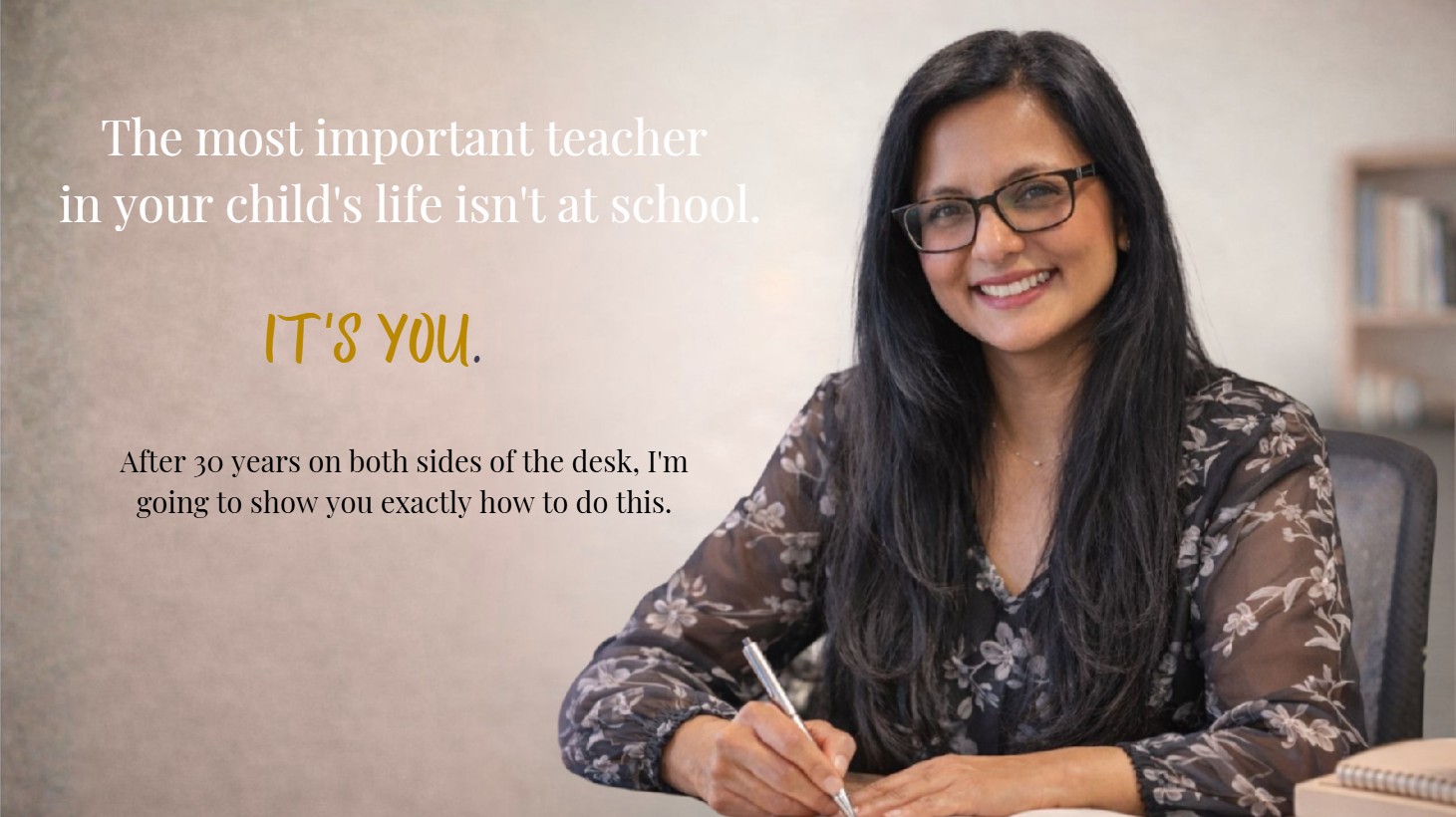
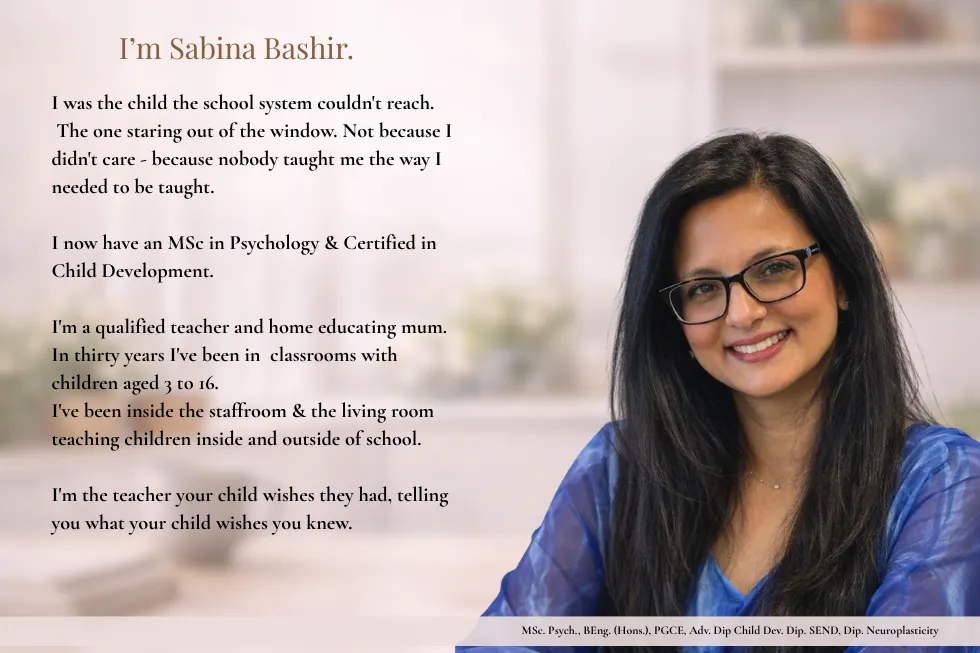
This guide was written by a mum of three — and former teacher with 30+ years experience — who found herself unexpectedly homeschooling her youngest. Even with all her professional knowledge, it still felt like a huge leap. Spoiler: 7 years later, her daughter is thriving — and so is she.
This guide is here to help you explore your options — with honesty, simplicity and support. Whether you're already leaning towards home ed or still figuring it out, you deserve answers and confidence, not anxiety.


📘 Inside the Free Guide:
What homeschooling really looks like (beyond stereotypes)
The law in the UK — explained simply
What “suitable education” means
How to decide if this path fits your child and your values
What to expect from your local authority
What you don’t need to do (like follow the National Curriculum – unless you want to!)
🧠 Bonus: Reassurance for parents of kids with SEND, anxiety, or unique needs


🌈 You’ve Got This.
Choosing to homeschool is a big step — but it’s also a powerful one.
You're not just leaving school behind. You're choosing to build something better — something that fits your child, your family and your values.
We’re here to help you begin with clarity, confidence and calm.
👣 Ready to explore?
Fill in the form below and get the free Parent’s Guide to Starting Home Education.
⚖️ Know Your Rights: You and the Law
You can homeschool — and you don’t need to be a qualified teacher to do it.
All you’re legally required to do is provide an education that’s:
📍 Suitable for your child’s age, ability and needs
📍 Full-time and efficient (no one’s counting hours — but it needs to be consistent)
📍 Not necessarily based on the National Curriculum (you choose!)
Having said this, many families do follow the National Curriculum, to ensure their children have the option of taking exams or attending college/university later in life if their child should wish to do so.
Got a child with an EHCP or attending a special school?
You'll need local authority permission to deregister, and they may stay more involved. But it’s still your right to homeschool if the provision is suitable.
TL;DR: The law is on your side, but it's worth knowing your local council’s approach. Some are hands-off, some want reports or a meeting. But they can’t force you to follow a set curriculum.


Yes—if your child is currently enrolled in a school, you must formally withdraw them.
This means writing to the school to inform them of your decision to home educate.
If your child has special educational needs (SEN), make sure the school is aware and note that additional steps may be needed—especially if they attend a special school (local authority permission is required in that case).
Legally, you must provide a “suitable” education for your child’s age, ability, and needs.
There’s no requirement to follow the National Curriculum, but many families cover a mix of subjects like:
English, Maths, and Science
Art, Music, and Drama
Geography, History, and Physical Education
Life skills, social studies, or any topics your child is interested in
While it's not legally required, it’s strongly recommended. Keeping records helps track progress and prepare in case the local authority makes inquiries. You can keep:
A weekly timetable or lesson plans
Samples of your child’s work
Notes or informal assessments
Records of field trips, practical activities, or group projects
Home education doesn’t mean learning alone. There are many ways to help your child socialise:
Join local homeschooling groups or co-ops
Sign up for clubs, sports, or arts activities
Attend community events or meet up with other families
Many home-educated children have rich, active social lives with friends of all ages.
Plan 2–3 meaningful touchpoints weekly (meet‑up, class, family outing). Quality beats quantity.
No—it’s optional. However, some parents choose to follow it fully or in part because it provides:
A clear structure
National learning benchmarks
Helpful guidance for GCSE prep or re-entry into the school system
You can also adapt it to suit your child’s interests or learning style.
Very! You can:
Choose a structured or child-led approach
Teach at the pace your child learns best
Explore topics in more depth or take a cross-curricular approach
It’s one of the main reasons many families find home education so rewarding.
Yes! There are many places to get support, resources, and advice:
Education Otherwise – A charity supporting home-educating families
Home Education Advisory Service (HEAS) – Offers practical advice and educational resources
The Department for Education (DfE) – For up-to-date guidance on home education law
Your Local Authority – Each area is different, so check for local support groups and policies
No formal exams or assessments are required, but:
Some families choose to do end-of-year assessments for peace of mind
You can enter your child privately for GCSEs or other qualifications if you wish
Keeping progress records helps if your child ever returns to school or applies for college
Time & commitment – Home education is rewarding but requires planning and effort
Learning style – Think about what suits your child best
Support – Find or build a community of other home educators
Legal responsibilities – Make sure the education you provide is full-time and suitable
Homeschooling in the UK gives you the freedom to tailor your child’s education, but it also comes with responsibilities. Understanding the legal framework, knowing your options, and building a support network are key to a successful journey.
They do help - but no. You need patience, a simple plan, consistency and the willingness to learn alongside your child.
It depends on the age but as a rough guide
For 4–6 year olds, 1 hour of short, focused activities plus rich play and life skills is plenty.
For 6-9 years old, 1.5 hours - 2 hours a day
For 10-12 years old, 2-2.5 hours a day, usually 30 mins per session
Remember this is not school - your child does not need to share their time with 20 other children, it's all concentrated on them and with that intensity, less time is needed.
Keep records—samples, logs and photos are enough in most regions. If your area requires more, the ebook explains how to prep.
Children develop at different rates. With daily reading, real‑life maths, and lots of play, most children thrive.


🎁 Grab the Homeschooling Starter Pack – £25
Because once you’ve decided to start, the “What now?” panic can hit fast.
This practical toolkit is here to help you go from overwhelmed to organised — right from day one.
This practical pack is full of templates, checklists, and planning tools to help you start with confidence — not confusion.
✅ No more guessing.
✅ No more winging it.
✅ Just thoughtful organisation and quiet confidence from day one.
✅ Tick off what matters
📥 Instant Download. Start today by clicking the button below.
🧩 What’s Inside: Eveything you need to get you started
✅ First 30 Days Planner – know what to focus on, without the guesswork
✅ Weekly Rhythm Templates – blank + sample schedules to build your flow
✅ Reading Log & Project Tracker – track progress without boring worksheets
✅ Socialisation Menu – realistic ideas for connecting with others
✅ Simple Assessment Checklist – track your child’s development, no stress