What helps them learn?
Think about when they feel curious, confident and willing to try. Notice what makes learning harder, too.

Thinking about home education
You’re wondering whether home education could work. Then come the questions: what would I teach, how would we manage, and where would I even begin?
A free starting guide for parents of children under 12.
You don’t have to have made your decision.
Start with your family
Perhaps school is becoming difficult. Perhaps your child needs a different pace. Or perhaps you simply want to understand your options. Start with the questions that matter to you.
You’re not alone. 126,000 children were home educated in England in autumn 2025, and 175,900 at some point during 2024/25 (Department for Education).
Think about when they feel curious, confident and willing to try. Notice what makes learning harder, too.
Consider your time, work, budget and support. A workable approach needs room for your family’s real life.
Understand the responsibilities, explore different approaches and find people you can turn to for support.
Could it be right for you?
For some it’s wellbeing. For some it’s SEND, flexibility or values. This isn’t about copying school at the kitchen table. It’s about a learning rhythm that fits your child properly.
Know your rights
In England, parents can choose to educate their child at home. You don’t need to recreate a school timetable, but you do need to provide a suitable education.
Rules differ across the UK and for children at special schools. Read the official guidance for England.
The free starting guide
I’ve brought together the questions parents ask when home education first becomes a possibility. Read it at your own pace, and use it to decide what you want to explore next.
Get the free guide →The guide helps you explore. The optional £25 Starter Pack provides planning tools when you are ready to begin.
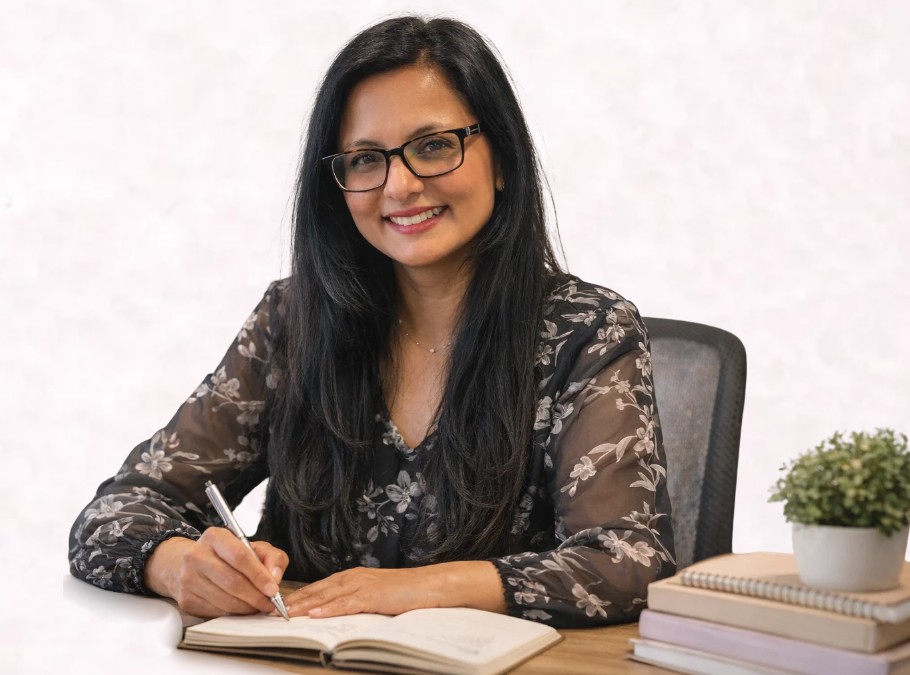
A teacher. A parent. Both sides of the table.
I’ve taught children for 30 years, and I’ve home educated my youngest since she was seven. I know the teaching side. I also understand the questions that come with taking responsibility for learning at home.
I created these resources to help you understand your options, organise your next steps and find an approach that fits your child.
MSc Psychology · PGCE · 30 years in education
Before you take the next step
No. Parents do not need teaching qualifications to home educate. What matters is that the education is suitable for your child.
No. Many parents use it as a guide, but home educators are not required to follow it in the way schools are.
Many parents choose home education because it allows a more personalised approach. SEND can bring extra considerations. If your child attends a special school, for example, you will need the local council’s agreement before removing them.
No. The free guide is for parents who are still exploring as well as those who are preparing to start. Take time to think about what your child and your family need.
No. You can use the resources when one child is home educated and another attends school. Plan around each child’s needs and the commitments you already have.
You can explore different ways to organise learning, including structured and interest-led approaches. The aim is to provide a suitable education and a sustainable routine for your family.
Home-education rules differ across the UK. Check the guidance for your nation and your child’s circumstances before making changes. Read the official guidance for England, including the different arrangements for special schools and school attendance orders.
One manageable next step
Begin with a clearer understanding of your options. The free guide is a small first step.
Explore the free guide →