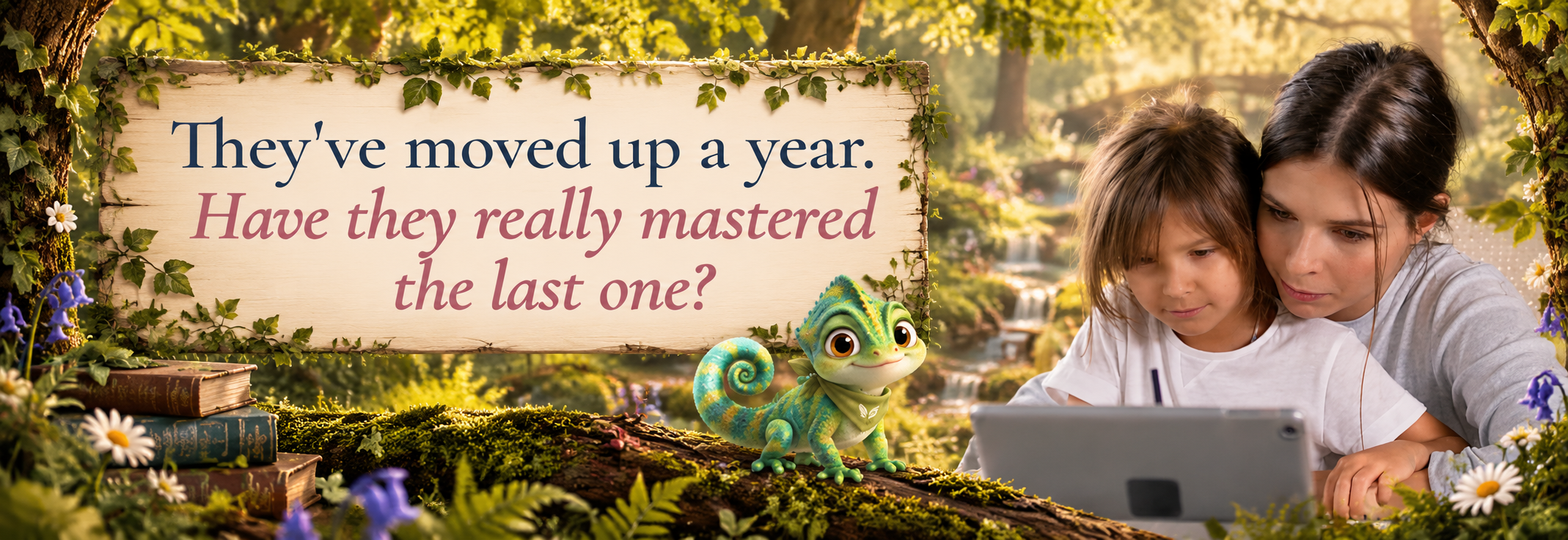
They've moved up a year. Have they really mastered the last one?
SATs End-of-Year Assessments · Years 1–6Find out exactly what your child understands, where the gaps started and what to focus on next, before those gaps follow them into SATs.
Maths · English · National Curriculum for England
The report says "working towards". Nobody tells you towards what.
You can see something isn't secure. But you don't know whether it's this year's work, or something from two years ago that was never quite fixed.
So you buy another workbook. More practice papers. And the same mistakes keep coming back.
"Moving up a year doesn't mean every brick underneath is secure. These assessments show you exactly where the gaps are and which brick in the foundation is wobbling."
"The year group tells me where a child should be. The assessment tells me where the child actually is."Sabina Bashir
Four steps. One clear picture.
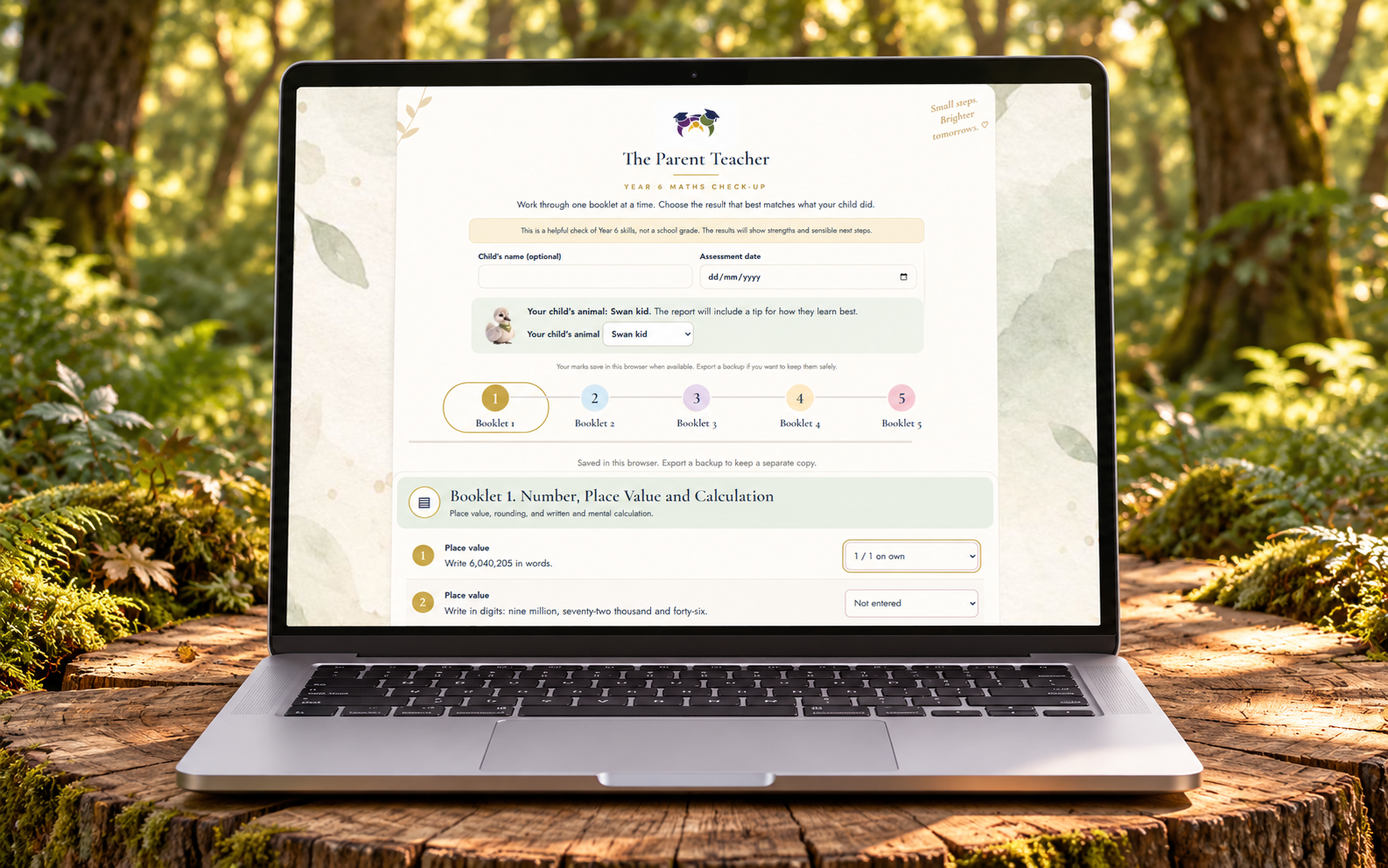
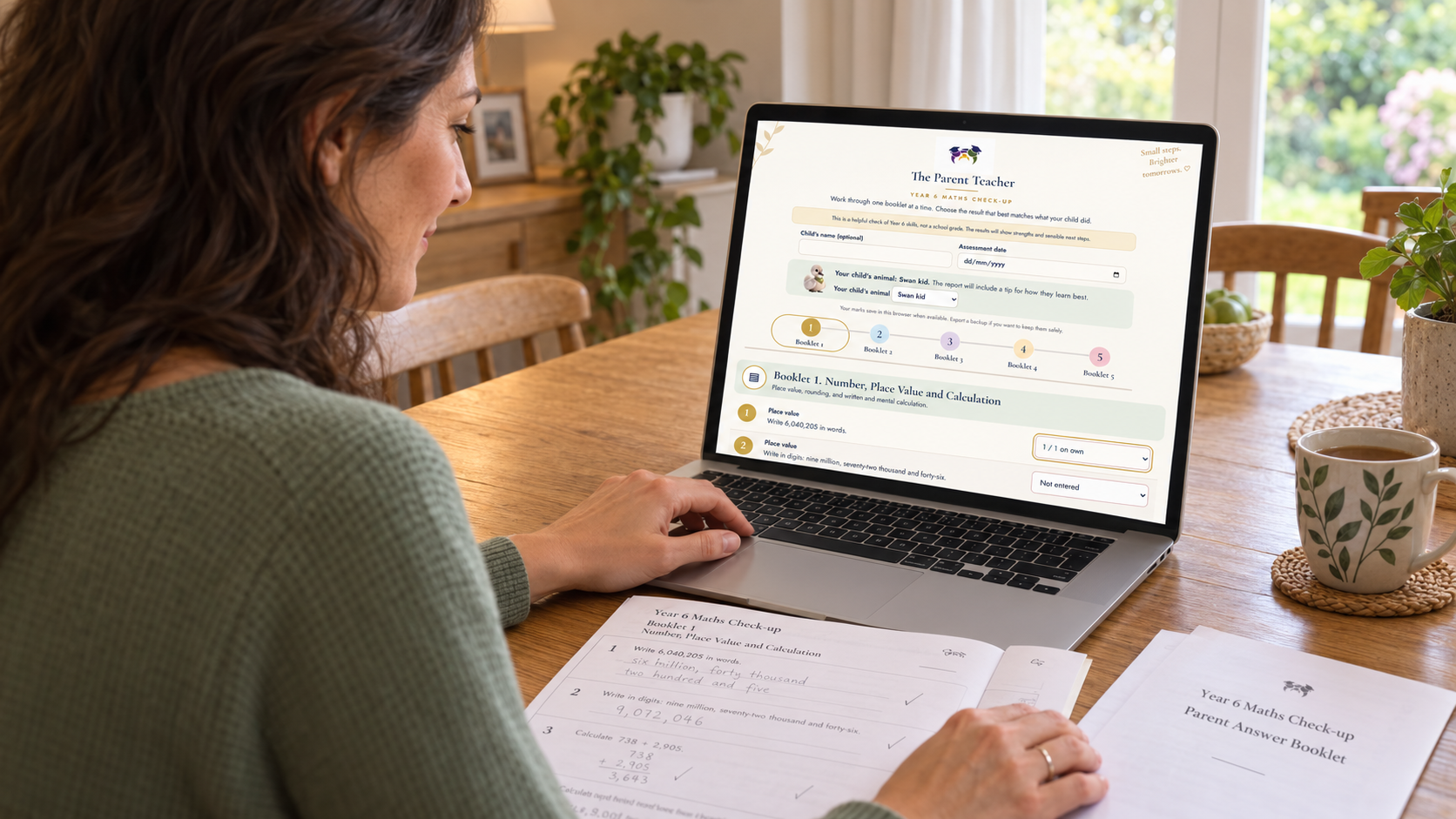
Your child sits the 5 assessments at home over 5 days. You mark their papers, and then enter their results into the online Reporter. This will analyse the results and diagnose where the real weaknesses are, in plain English, so that you are fully informed.
The assessments cover all the topics they should have covered the previous year, and show the strength of their knowledge. If you add yours and your child's ROSIELAF animals, the reports will be tailored to your teaching style and your child's learning style, to give you a deeper understanding and greater success.
Don't waste money on tutors for weeks guessing. Find out exactly where the problems are first, then give your child the help they need to fix them.
Choose the year
Pick the year your child has just finished, in Maths, English or both.
Complete the 5 assessments
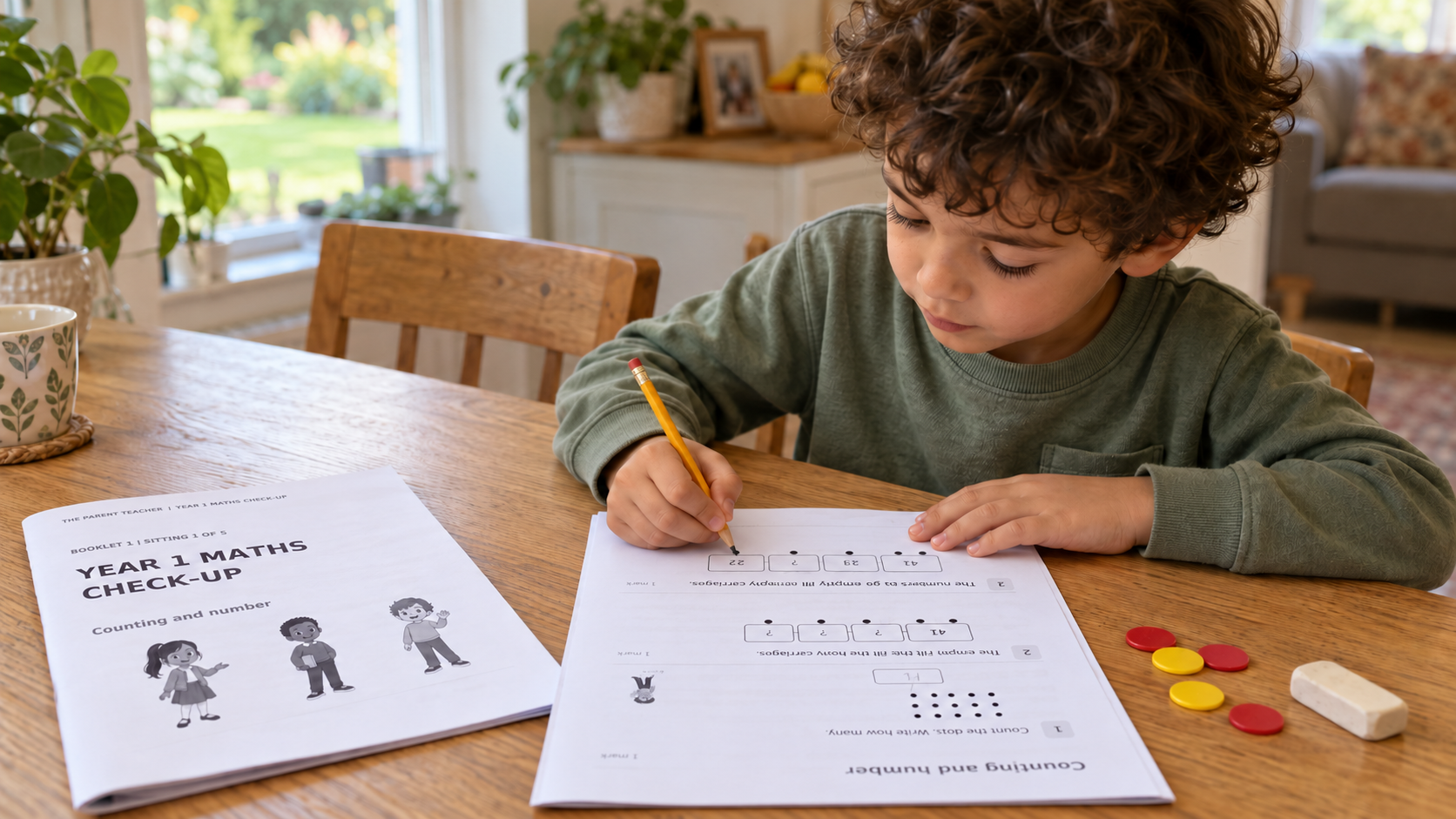
Five short booklets at home, with Maya, Kofi and Rowan along the way. No timer, no pressure.
Enter the answers into the Reporter
Mark the answers right, helped or not attempted. A question they skipped tells us as much as a wrong one.
Read through the diagnostic report
Strengths first. Then the gaps that are holding them back this year, and what to revisit and secure.
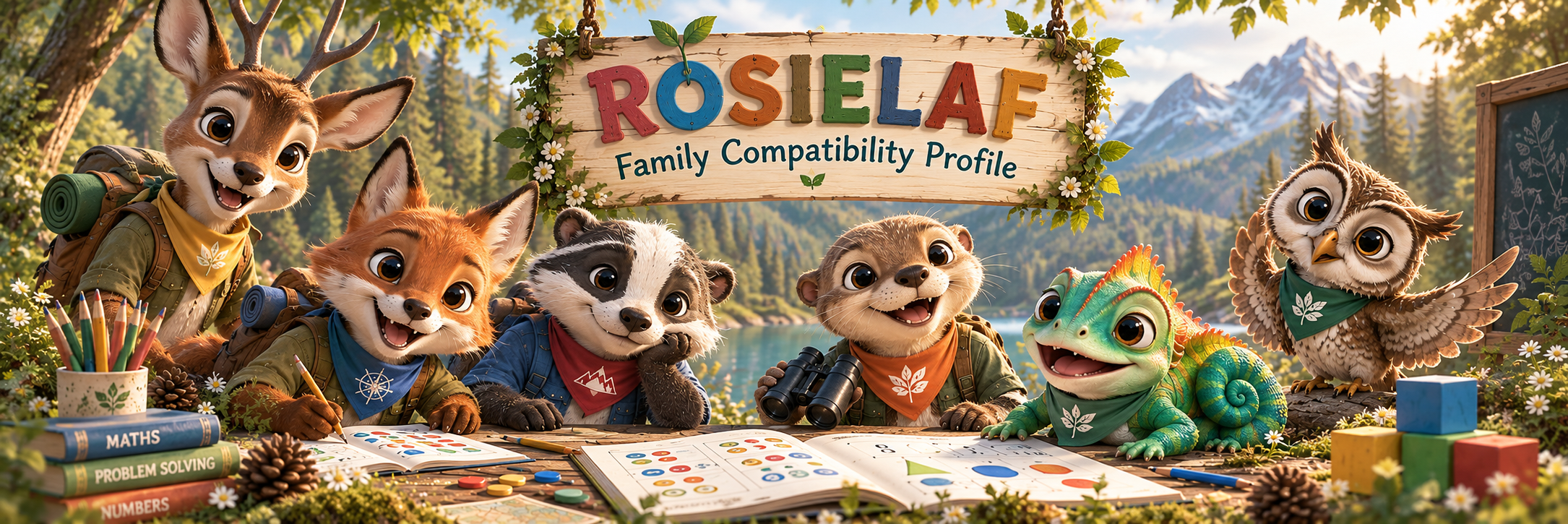
The report speaks to the child you actually have.
If you know your child's ROSIELAF animal, their report is shaped around it: how they learn, what knocks their confidence and how to explain the next step so it lands.
 Don't know your child's animal yet? The chameleon guides you until you do. Find your teaching animal free →
Everything you need, nothing you don't.
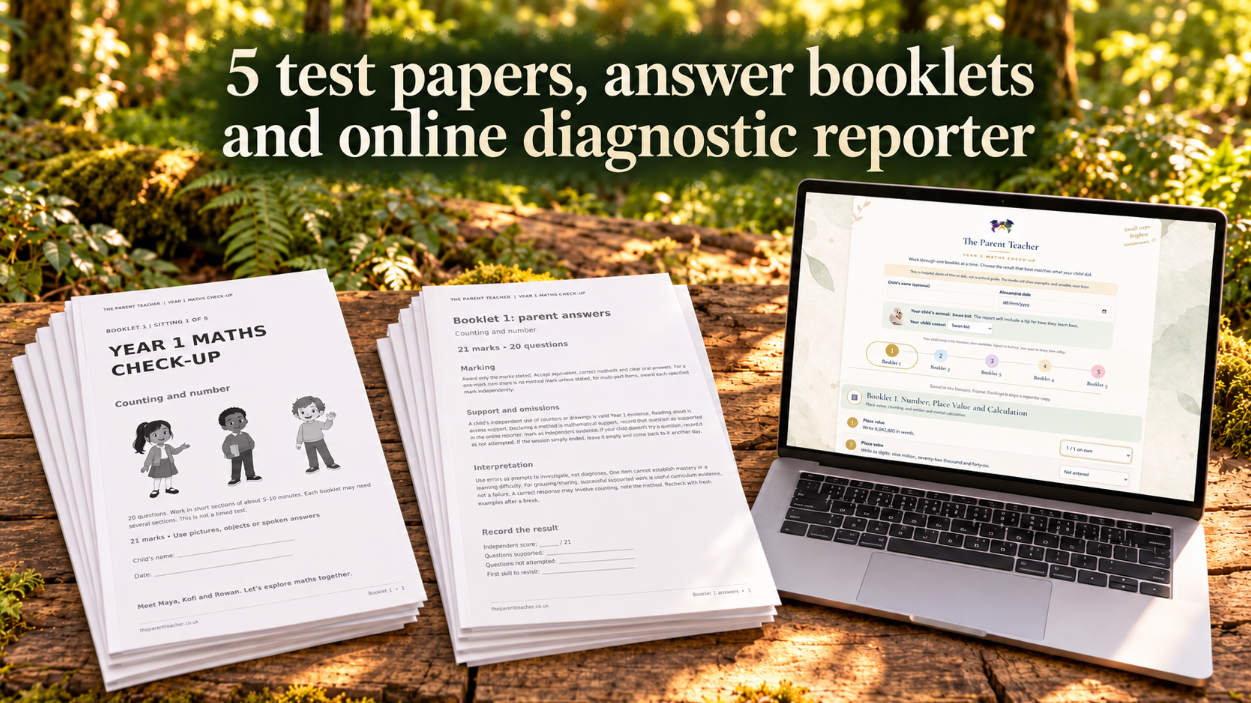
Five assessments
Covering the year's curriculum, one manageable assessment at a time, with matching parent answer booklets.
The online Reporter
Turns their answers into a plain-language report, as I would explain it to you.
The Complete Parent Guide
How to run it, how to mark it and what to do with what you find.
Choose your child's subject & year
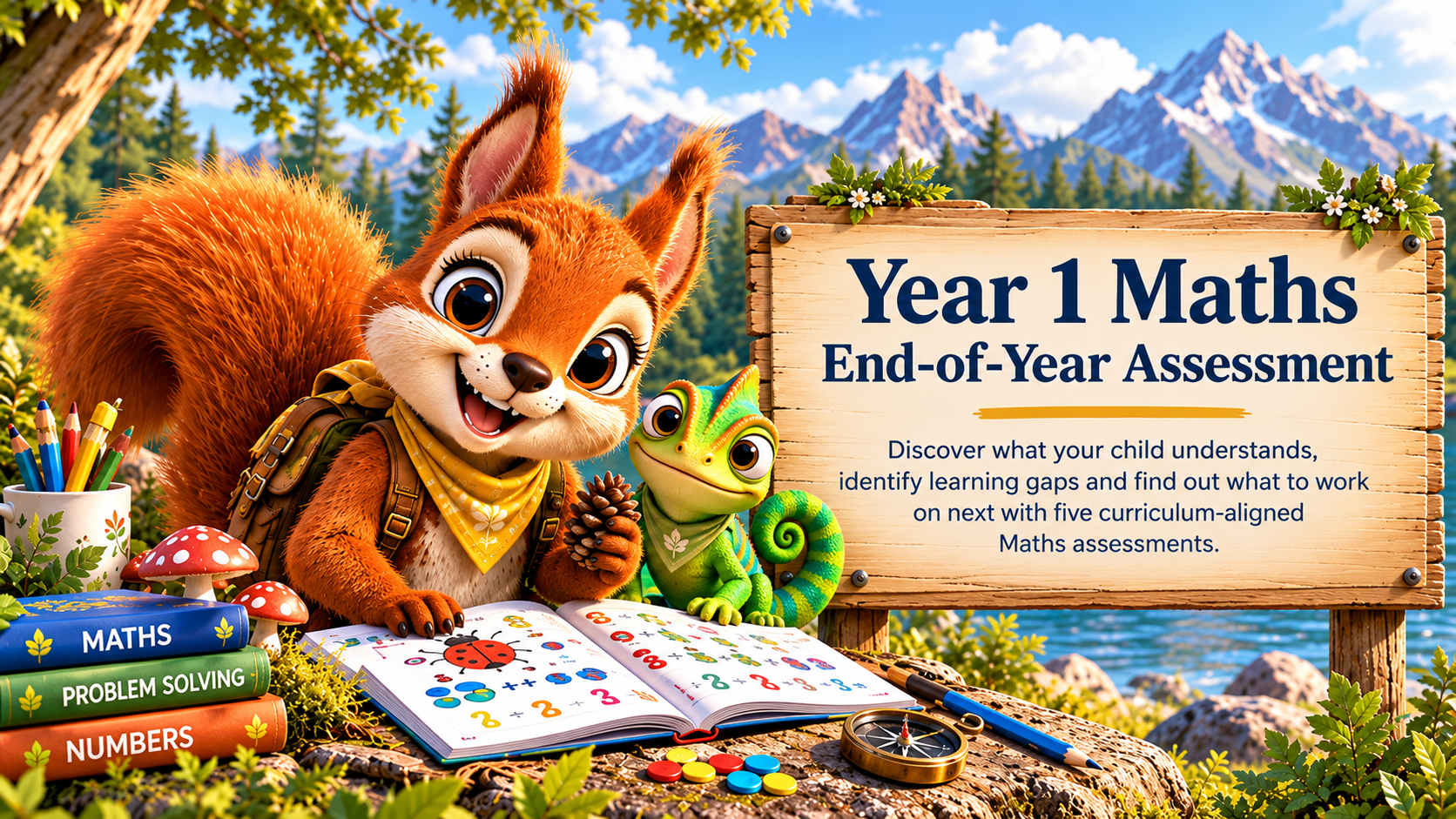
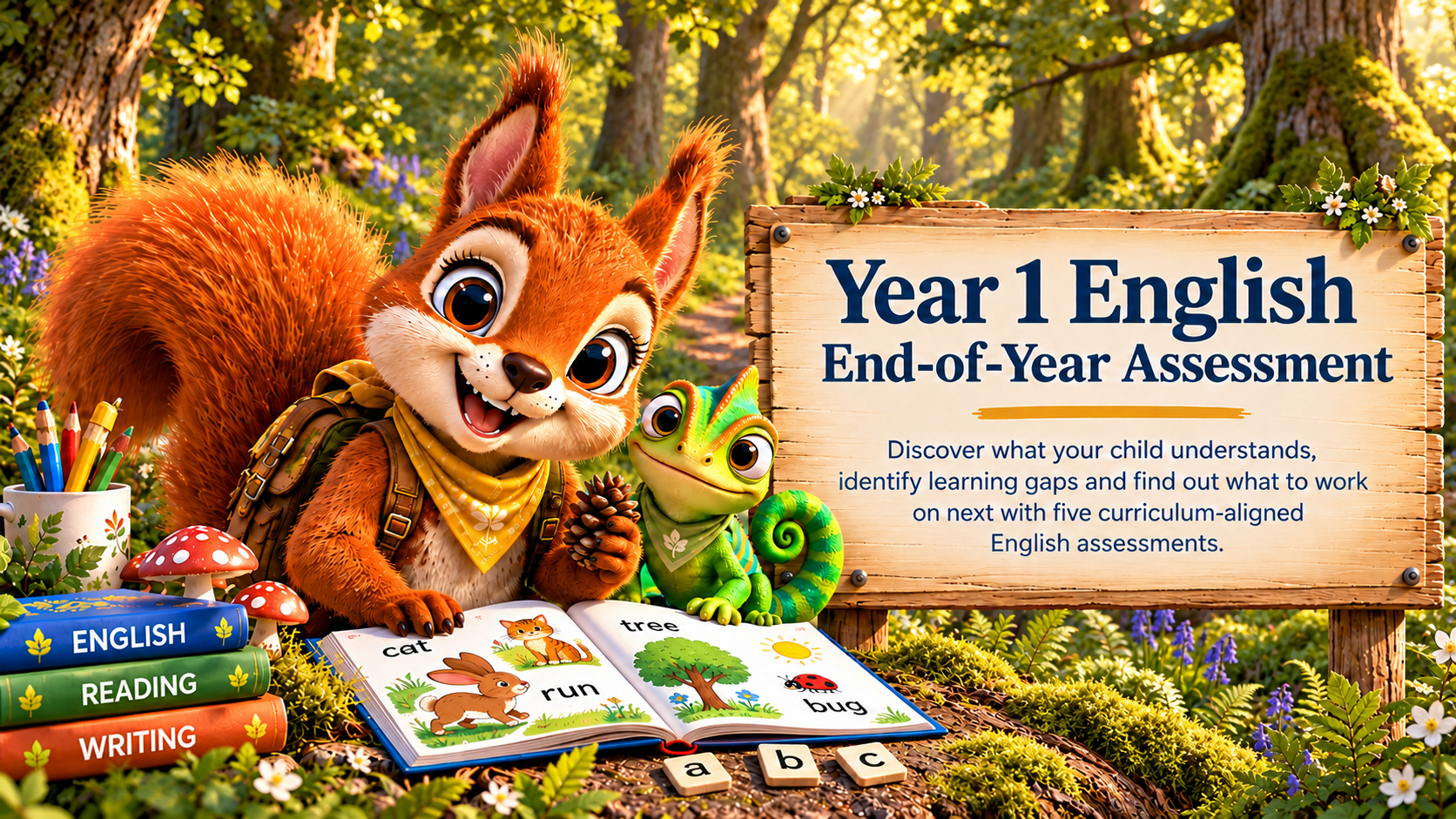
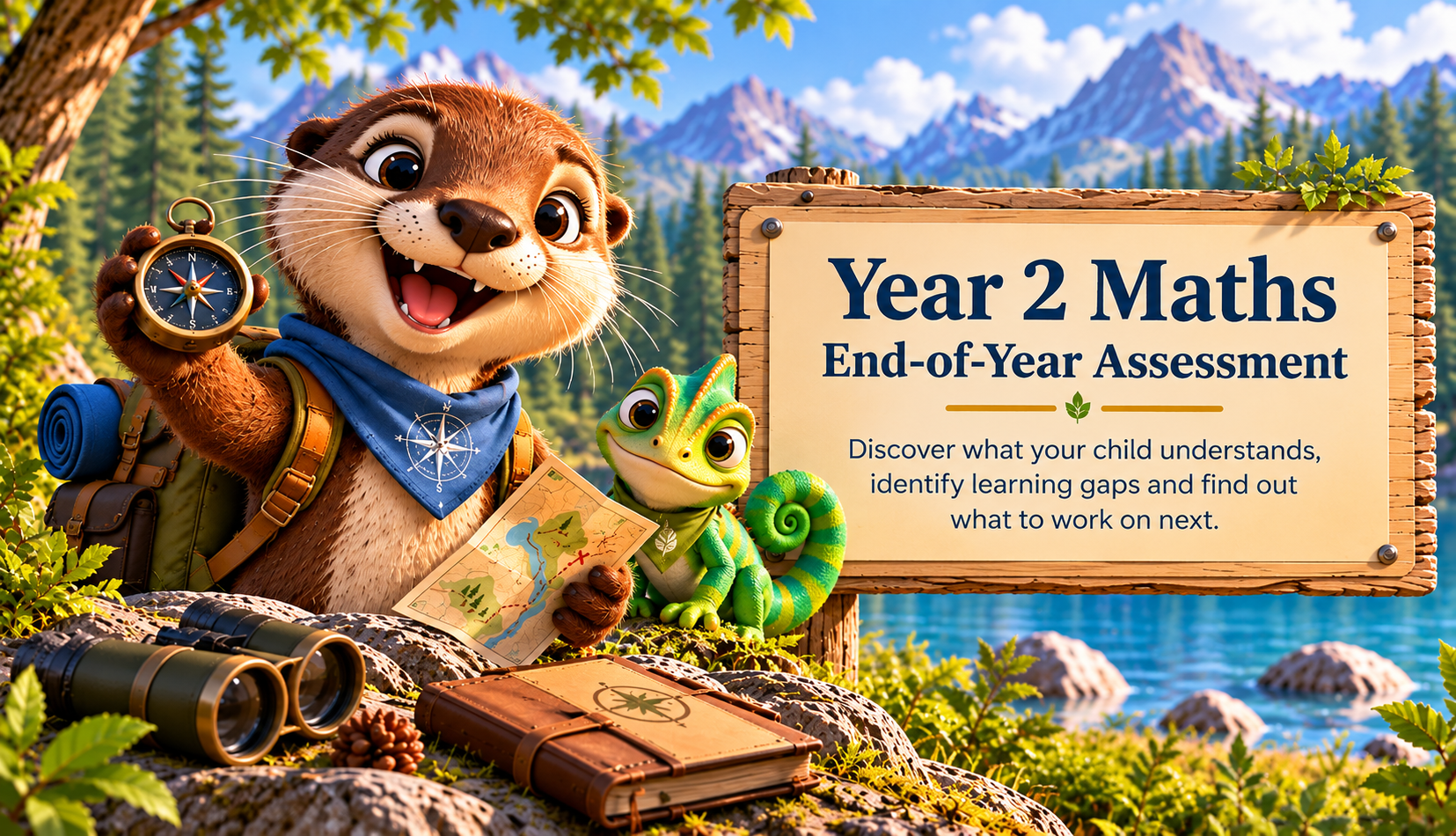
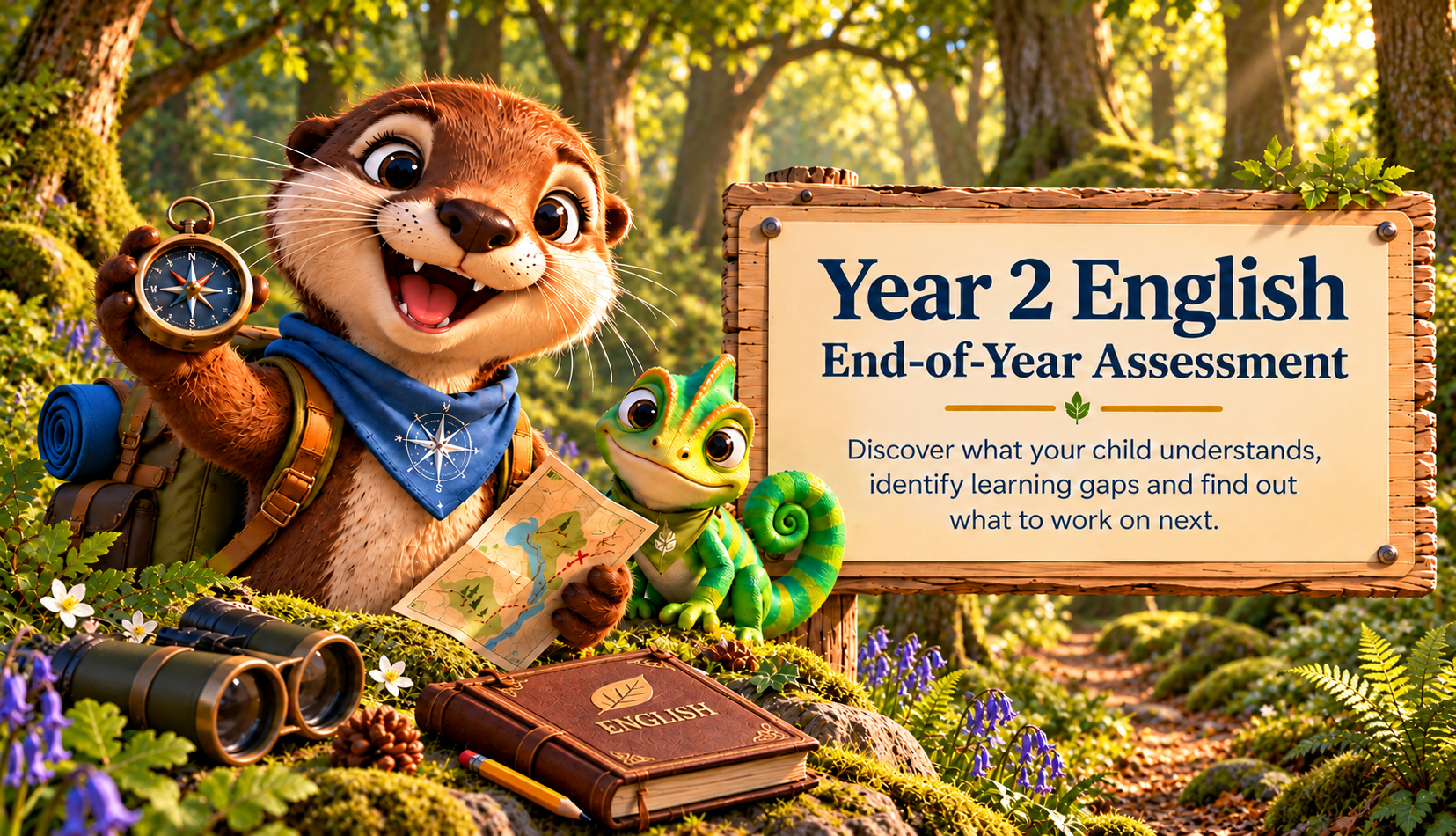
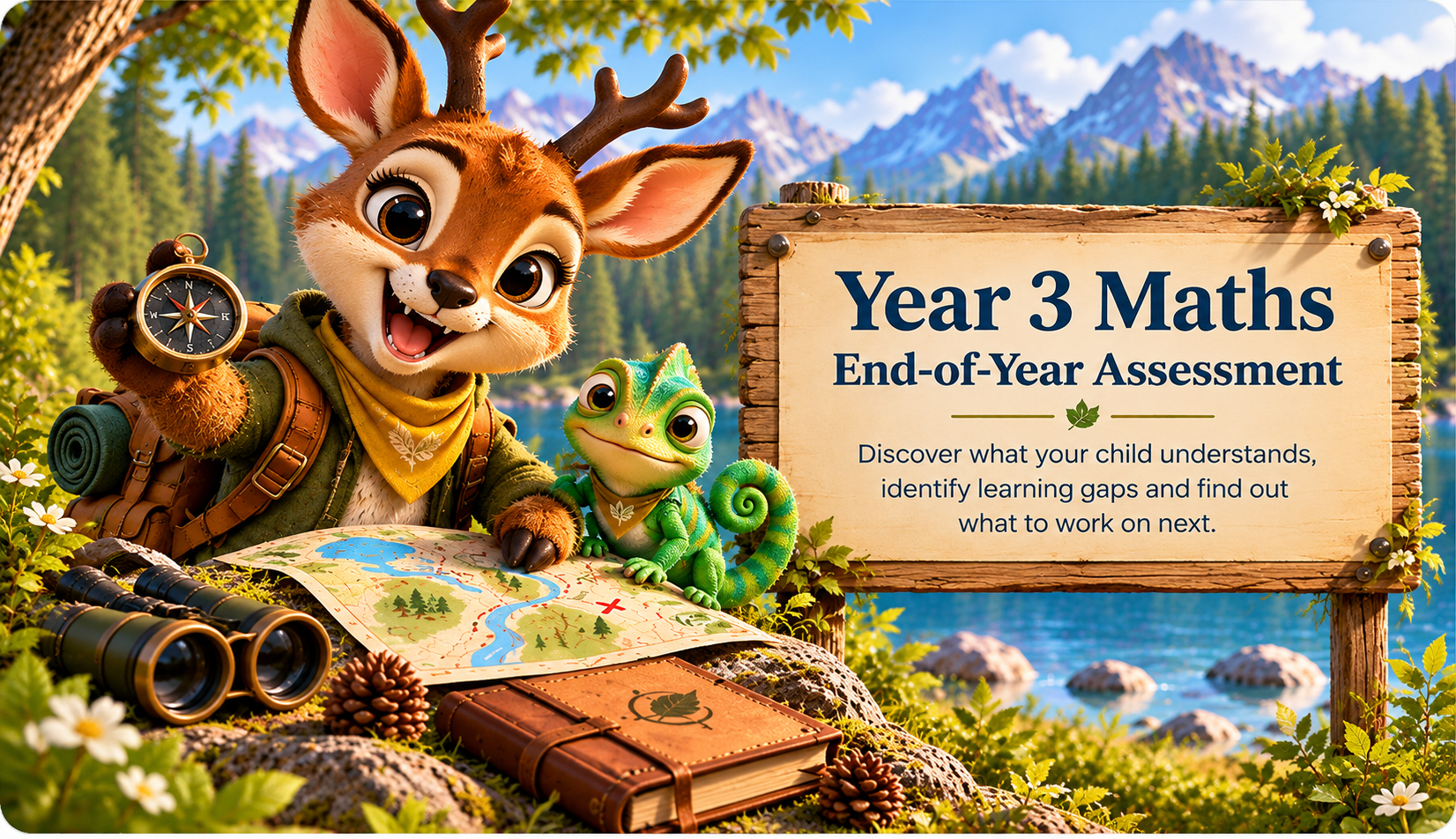
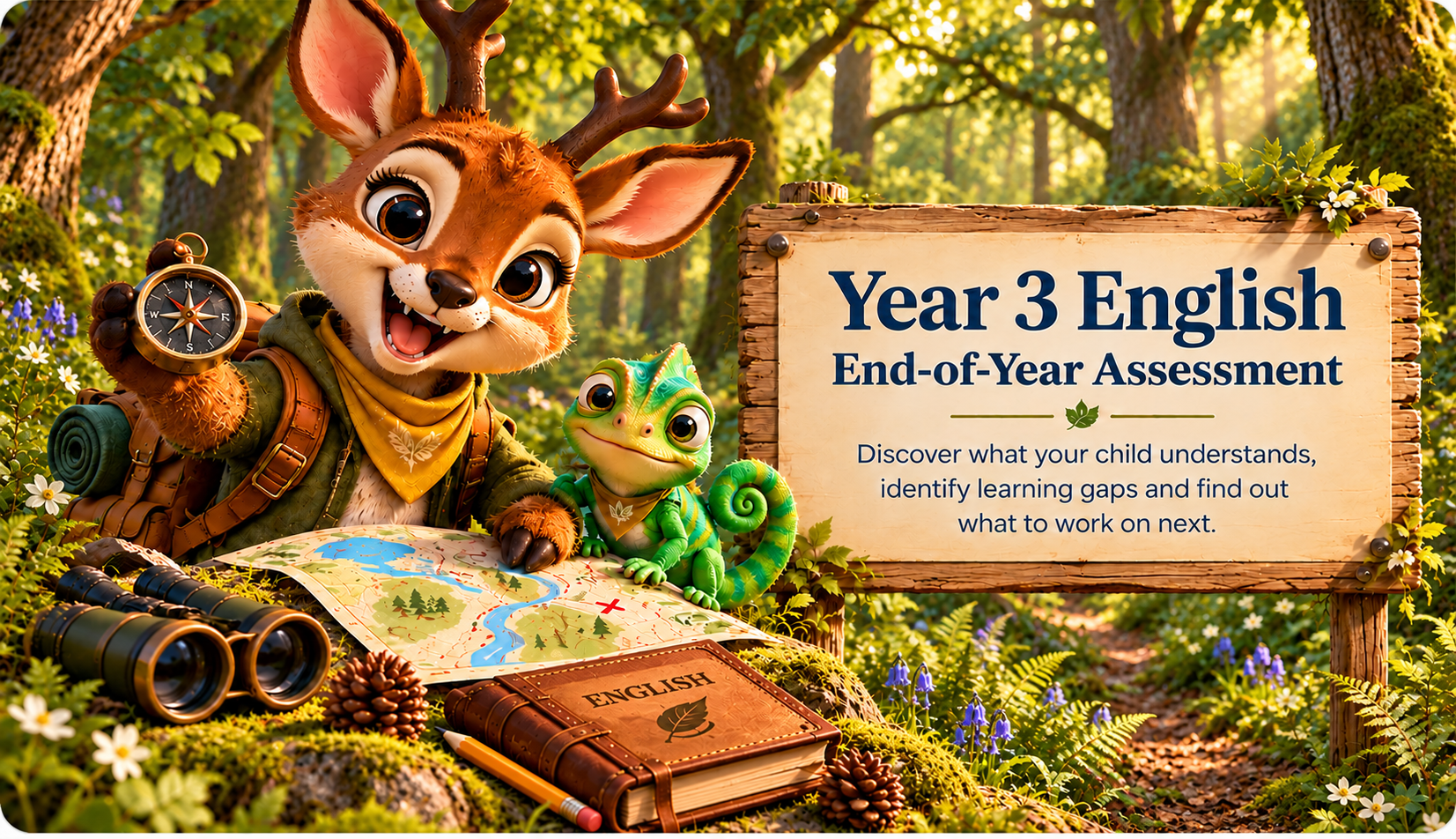
Both subjects for one year are £59.
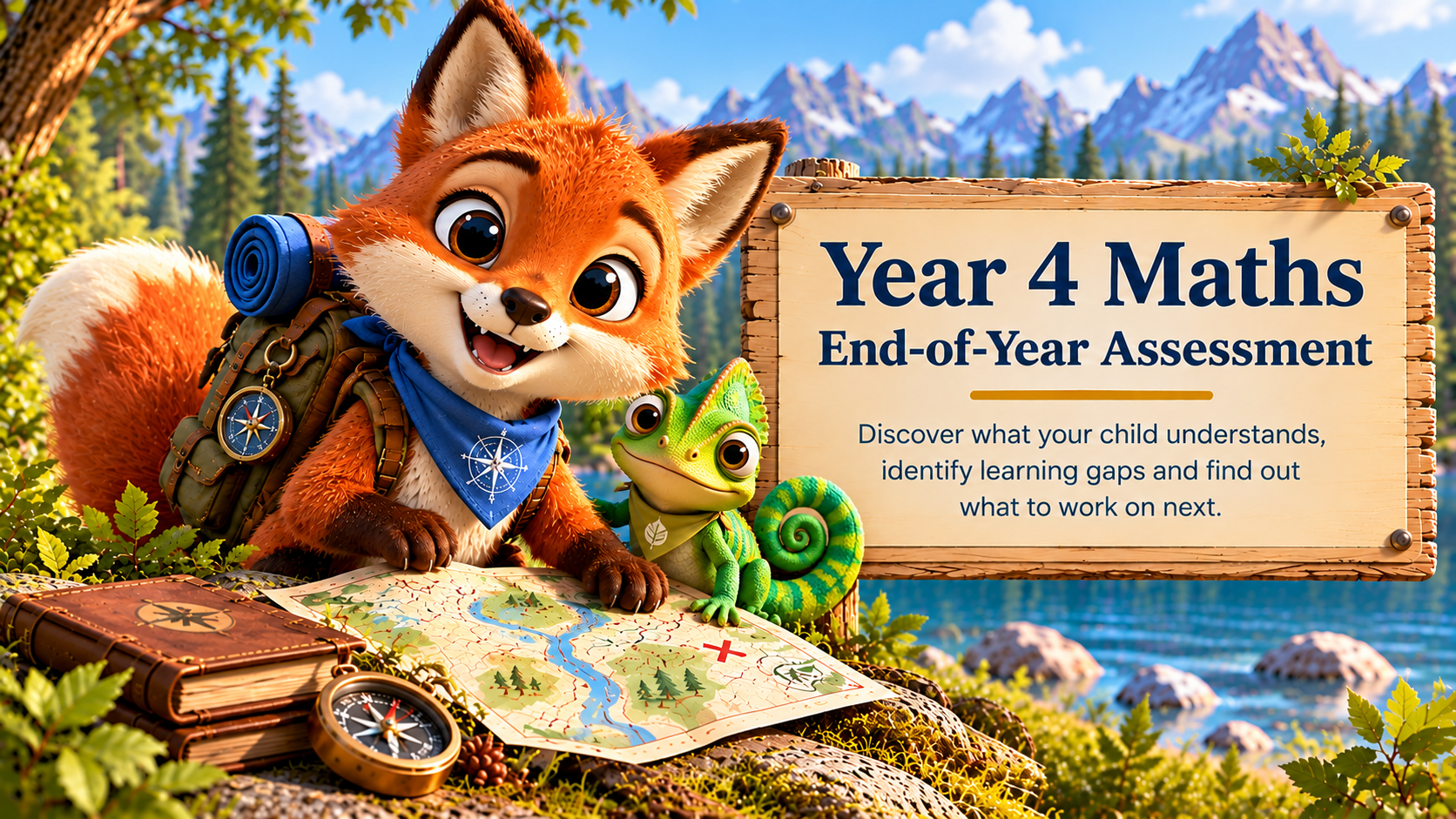
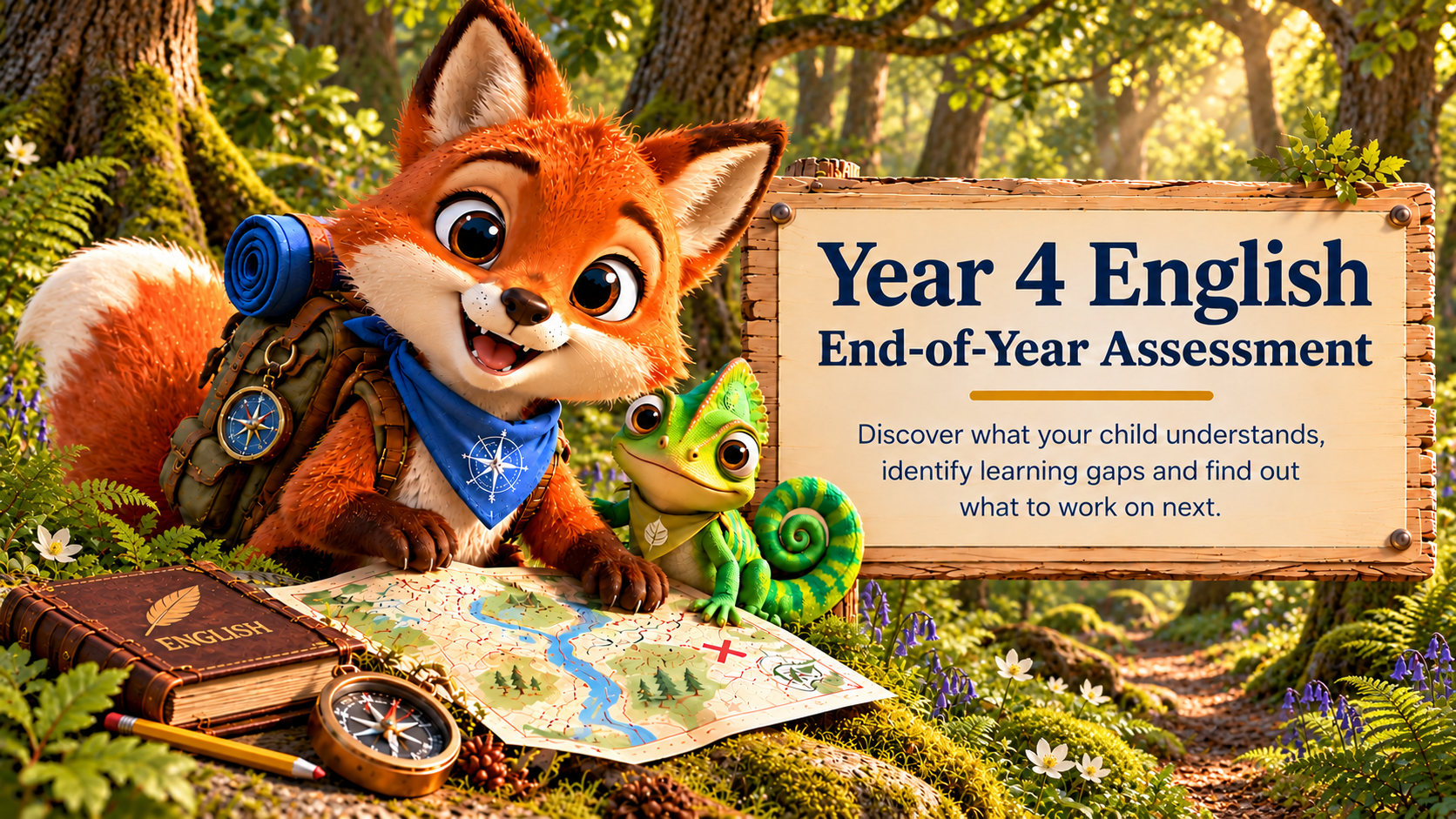
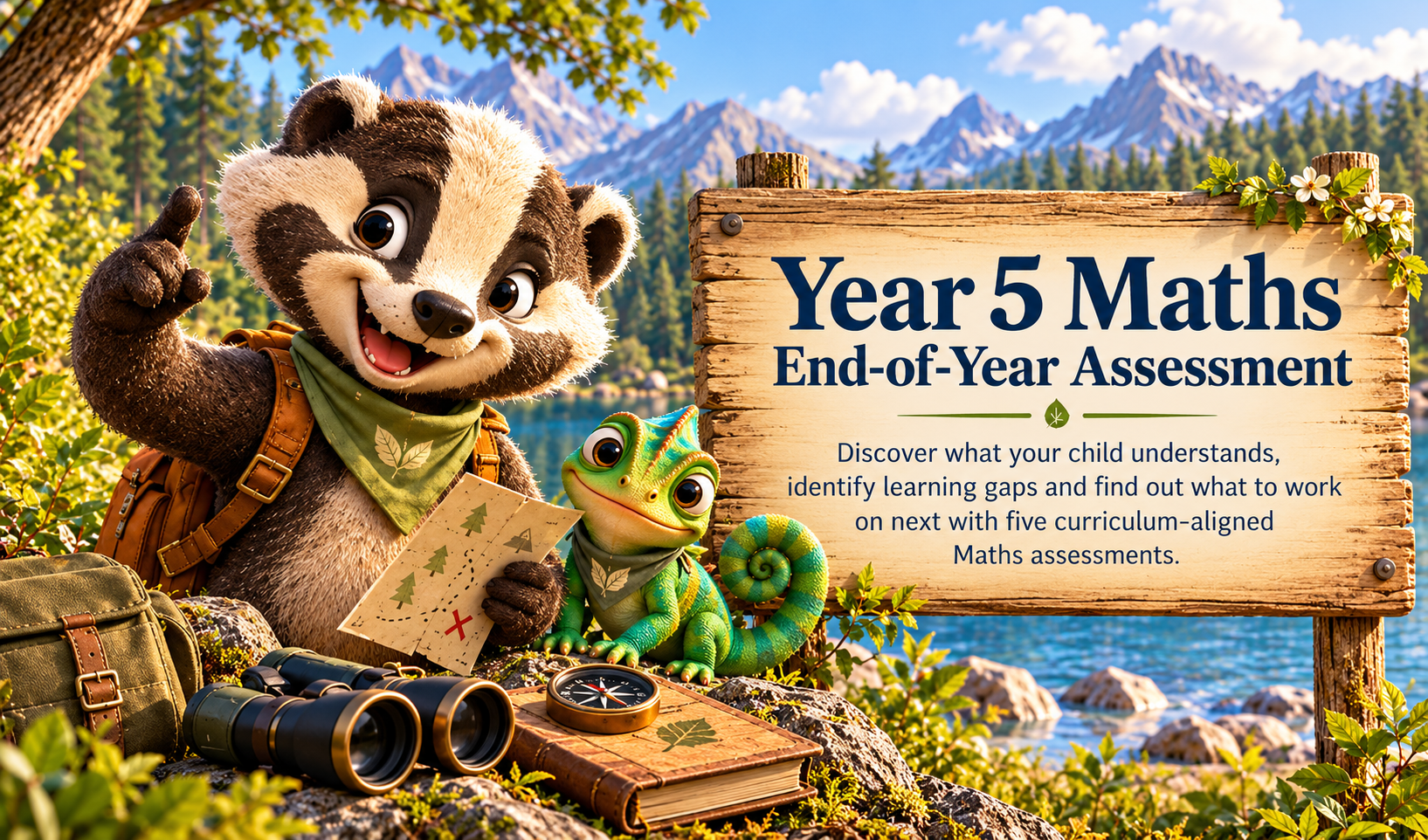
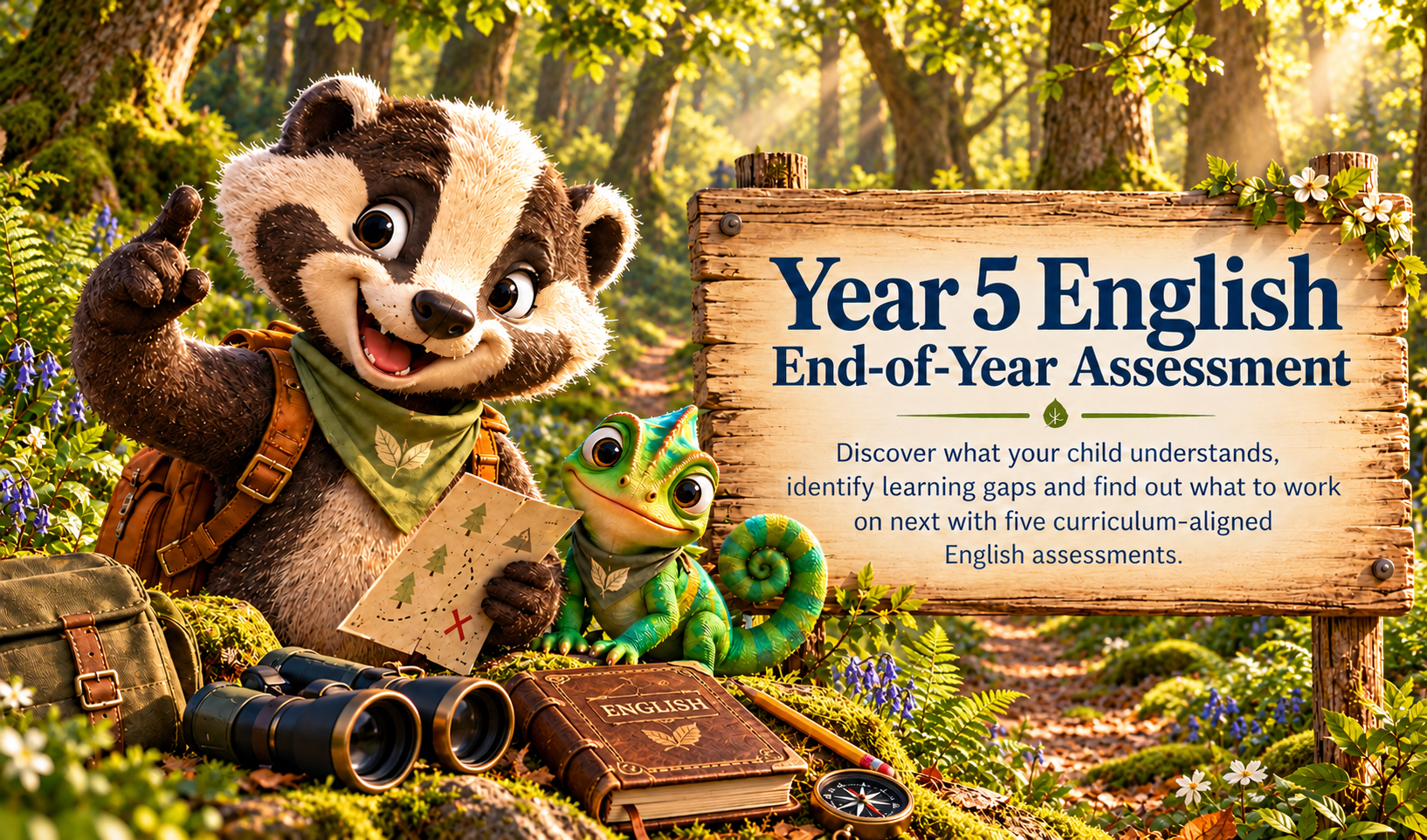
For the price of one hour of tuition
Find out first what every following hour should be spent on.
Choose your child's year at checkout. Have more than one child? Buy a year for each. You can also add the year before, if you think a gap started earlier.
- Maths or English
- Five assessments + answer booklets
- Online Reporter
- Complete Parent Guide
- Both subjects, one year
- Both Reporters
- One combined picture
- One-off purchase

I'm Sabina.
MSc Psych · BEng (Hons) · PGCE · Adv Dip Child Dev · Dip SEND · Dip Neuroplasticity
I've taught for 30 years, across secondary, primary and early years, and I've home educated my youngest since she was seven.
I take children backwards to go forwards. If a gap starts in earlier work, that's where we begin, not where the year group says they should be. These assessments put that way of working in your hands.
"Tuition should be a bridge, not a destination."
SATs are only in Year 2 and Year 6. So why test at the end of Year 4?
Because every year builds towards them. A gap in Year 3 fractions will still be there in Year 6 if it is not filled earlier. Finding it in Year 4 gives you time.
Is this a test for my child?
It's a check, not an exam. There's no pass mark. It exists to show you where to help.
What if the report shows a lot of gaps?
Then you'll know exactly where to start. If it's more than you can tackle alone, the report will point you to a free Clarity Call.
Is it for home-educated children too?
Yes. The assessments follow the National Curriculum for England, so they work for any child, at school or learning at home.
Do we need ROSIELAF first?
No. Your child can start straight away with the chameleon as their guide. Add your profiles whenever you're ready, and the guidance becomes personal.
Preparing for the 11+?
The Complete 11+ builds on the same foundations, in English, Maths, Verbal and Non-Verbal Reasoning.
Stop guessing. Start where the problems actually begin.
We develop the parent so they can develop their child, because parents are teachers too.