From
the
editor
‘Hello and Welcome to December! ❄️✨
‘Tis the season of cosy nights, twinkling lights and winding down after a busy term. As we head into the holidays, this is the perfect moment to slow things down, ease pressure, and focus on connection.
We’re also excited to share updates on our newly refreshed website—now even simpler for home schoolers and parent-teachers to find practical tools, emotional support and community in one place.
This month’s issue is packed with gentle learning ideas, winter wellbeing tips, and simple strategies to help you enjoy a calm, meaningful December.
And this issue comes with a bonus savvy Savers guide for kids, to kick them off to a new successful year.
Here’s to a peaceful, joy-filled month—we’re so glad you’re here!
With warmth,

Editor-in-Chief
(Editor’s note: 📸 We’d love to see your snow globes! Share your photos with us and spread the joy this December!)

About
the
editor
Meet Sabina Bashir: Empowering Parents, Teachers and Children to Thrive
With 30 years of teaching experience and expertise in psychology, child development and neuro-development, Sabina is on a mission to revolutionise how we support children’s mental health and growth. Inspired by her daughter’s mental health challenges, Sabina embarked on groundbreaking research into how parenting and teaching styles influence children’s wellbeing, uncovering the transformative power of alignment.
Believing parents are children’s first and most influential teachers, Sabina launched The Parent-Teacher Magazine — a resource designed to provide parents and teachers with practical tools, expert advice and inspiration to confidently support their children’s learning and development.
“I want parents to feel empowered,” says Sabina. “Their role is crucial in shaping a child’s future, but too many hand that responsibility over to teachers feeling powerless. My aim is to change that.”
Sabina’s vision is simple yet profound: to empower parents and children to work together, creating a future where every child flourishes emotionally, socially and academically.
"When parents become better teachers, children don’t just survive—they thrive."
– Sabina
In this issue...
4
exPERT TIPS FOR A CALMER DECEMBER
Using Montessori Principles
5
Why Kids Struggle with Behaviour
It's not always bad parenting

6
Children's wellbeing Journals

8
Answering Parents Questions
HOW CAN I GET EVERYTHING DONE THIS HOLIDAY?

10
Self Care in the Festive Season
Pumpkin Pie

11
Finding Calm, Joy and connection

10
Supporting Your children's Learning
at home

13
Recipes Kids Can make At Home
Festive Desserts

15
Parent Pause
Quiz
16
Interview - Carolina Ramuski
Sleep Expert

EXPERT TIPS FOR A CALMER DECEMBER
Using Montessori Principles
1. Use the 10-Minute Tidy Rule
Set a timer for 10 minutes each evening. Everyone tidies something. Small, consistent resets. You're the boss - work as a team - prevent December overwhelm.
2. Keep Routines Steady
With late nights and sugar highs, children can wobble emotionally. Consistent bedtime routines act like a reset button. If you have daylight light bulbs in your home. Switch to warm light lamps in the evenings to trigger your brain that bedtime is coming.
3. Give Children Predictable Choices
Offer two options:
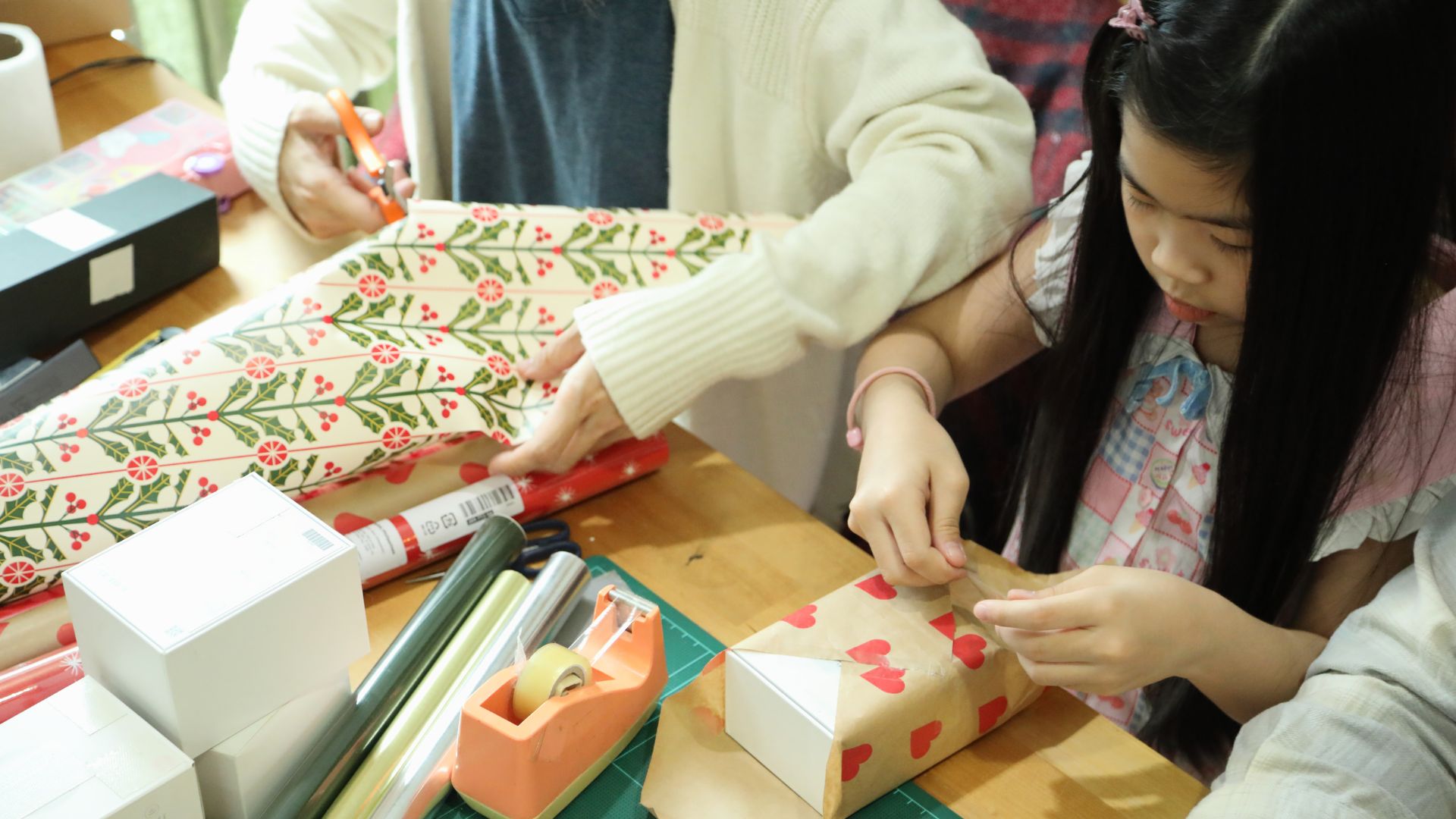
• “Do you want to wrap gifts before snack or after snack?”
• “Do you want to wear the red jumper or the blue one?”
This builds cooperation and reduces meltdowns.
4. Prioritise Connection Before Correction
Tell children how much you appreciate them and let them know what you have done for them. Not to generate guilt but to let them know you care. I got you that bag you wanted - I hope it's what you still want. It models to them how to behave. Because children model what they see, not what you say.
4
Why Kids Struggle With Behaviour and Boundaries Today:
The Real Reason
(And It’s Not “Bad Parenting”)
1. Your Child’s Meltdowns Are a Nervous System Signal
Let’s be clear: the rise in big emotions, school behaviour issues, and full-blown meltdowns isn’t happening because millennial parents are “too soft.”
You’re parenting in the most overstimulating, under-supported era in history — juggling work, bills, mental load, trauma cycles, sensory triggers, and social pressure from every direction.
This isn’t permissive parenting. This is survival.


2. Kids Are Overloaded
More children are being diagnosed with ADHD, autism, anxiety, and sensory processing differences — not because “everyone has something now,” but because our understanding has deepened.
Today’s world is louder, faster, brighter, and more demanding than ever.
Their behaviour isn’t random. It’s a response to the pressure cooker they’re trying to grow up in.
3. Emotional Delays Are Normal for Neurodivergent Kids — Not Defiance
Here’s the game-changer: many neurodivergent children are 2–3 years behind in emotional regulation and executive functioning.
So when an 11-year-old melts down, screams, or “acts younger,” it’s not misbehaviour. It’s their brain asking for help.
Once you understand this, the whole behaviour conversation suddenly makes sense — and becomes a lot more compassionate.

5

4. A Meltdown Isn’t a Tantrum — It’s a System Overload
Tantrums are choices.
Meltdowns are shutdowns.
They’re neurological, involuntary, and triggered by overwhelm — sensory, emotional, or both.
You can’t punish a child back into calm.
But you can co-regulate them back into safety.
5. Schools Still Operate Like It’s the 90s — But Our Kids Don’t
Most classrooms weren’t designed for neurodivergent brains.
They expect children to sit still, move quickly, follow long instructions, read social cues, and self-regulate with minimal support.
For many kids today, that’s developmentally unrealistic.
This isn’t about your child “not coping.”
It’s about systems that haven’t caught up with the children they’re meant to serve.

6. Today Parenting Isn’t Easy — But this is the Most Emotionally Aware Generation Yet
Your child doesn’t need perfection. They need connection.
And today’s kids — especially neurodivergent ones — thrive with:
• predictable routines
• calm, regulated adults
• visual cues
• sensory breaks
• flexible transitions
• emotional safety
You’re not failing. You’re evolving parenting for a new era.
Your child isn’t “behind.” They’re developing on a different timeline.
And the world is finally learning to meet them where they are.
For more information and support: Behaviour and Boundaries
6



HOW CAN I GET EVERYTHING DONE THIS HOLIDAY?
TIME-SAVING STRATEGIES FOR WORKING MUMS
For many, this is a busy month with lots to do. In fact it's more stress and work, than any other holiday. So follow these tips to make your fesitivies run more smootly, especially if you have children.
✅1. The 3-Item Daily To-Do List
Choose the three things that truly matter each day — everything else is a bonus.
Of course you’ll veer off and do other things, but make sure you complete your big three.
Meeting your priorities builds self-trust, confidence, and reduces overwhelm.
✅2. Batch the Big Things
Do gift wrapping, holiday cards, or meal prep in one focused hour rather than scattering it across the month.
Batching saves time, reduces stress, and clears mental space once the job is done.
✅3. Use “Micro-Moments” Wisely
Using principles from Atomic Habits by James Clear, make the in-between moments count.
• Waiting to pick up the kids? Reply to one message.
• Five minutes in the car? Sort tomorrow’s to-dos.
• Waiting for the kettle? Prep lunchboxes or load the dishwasher.
Small actions in micro-moments prevent big pile-ups later and chip away at your to-do list effortlessly.
✅4. Outsource Where You Can
Click-and-collect, gift bags instead of wrapping, pre-cut veg, digital gift cards — not everything has to be homemade.
Be the boss: build your team.
Get the kids to tidy toys, help peel potatoes, or take on age-appropriate tasks.
Family is teamwork — delegate and don’t do it all yourself.
If it’s a job your child is old enough to do and you don’t have the time, pay them.
(Check out the free Savvy Savers Guide for Kids to support their financial literacy.)
✅5. Create a December Command Centre
Set up one easy spot for:
• school dates
• gift lists
• receipts
• meal plans
• travel times
A single hub saves hours of mental load and keeps December running smoothly.

HOW CAN I LOOK AFTER MYSELF
Self-Care FOR WORKING MUMS
For many, this is a busy month with lots to do. In fact it's more stress and work, than any other holiday. So follow these tips to make your fesitivies run more smootly, especially if you have children.
✅1. The Two-Cup Rule
One cup for the family (tea/coffee with the kids), one cup for you — enjoyed alone, slowly. It’s symbolic: I matter too.
✅2. Say ‘No’ Once a Week
Whether it’s a social invite, extra project, or unnecessary school task — protect your bandwidth.
✅3. Digital Sunset
Turn off work emails after a set time. End-of-year boundaries stop burnout from following you into 2026.
✅4. Outsource Where You Can
Star jumps, yoga stretches, or a walk around the block. Movement resets mood, focus, and patience.
✅5. Permission to Rest
Your children don’t need a superhuman mum. They need a regulated, present one. Rest is responsible, not selfish.
✨ Did You Know?
In Japan, families celebrate Kinrō Kansha no Hi — Labour Thanksgiving Day — by sharing appreciation for each other’s effort and kindness.
In the U.S., Thanksgiving centres on gratitude and togetherness.
No matter where we live, saying “thank you” creates the same warmth — it connects hearts, homes, and generations.🌾
🧩Teacher Talk:
“December is my favourite month. School plays, presents, decorating the school, Santa visits. This is what school is about. Working in a fun environment. Shame it can't be like that all year round.”
— Miss. Lawrence, Year 4 Teacher 🟢
10
Finding Calm, Joy And Connection
in the busiest season of the year

The holiday season brings magic — twinkling lights, school plays, cosy evenings, and traditions passed down through generations. But for many working mums, it also brings a familiar mix of emotional highs and lows: excitement layered with exhaustion, joy mixed with pressure, and a deep desire to make everything “perfect” for everyone.
If December leaves you feeling stretched thin, you’re not alone. Here’s how to navigate the emotional rollercoaster with more ease, intention and self-compassion this month.
✅1. Let Go of the ‘Perfect Christmas’ Pressure
Many working mums carry an invisible emotional load — organising gifts, managing school events, keeping routines steady, and making memories magical.
But children don’t remember perfect tablescapes or flawless plans. They remember warmth, presence, and laughter.
This year, release the expectation of doing it all. Choose three meaningful traditions and lovingly let the rest go.
✅2. Expect Emotional Ups and Downs
December comes with late nights, busy schedules, disrupted routines, and heightened excitement — all of which impact children’s behaviour and your patience. Expect wobbliness. Expect big emotions. Expect moments where you need a breather.
This isn’t a sign you’re struggling — it’s a sign you’re human.
When overwhelm rises:
• Pause
• Breathe in for four, out for four
• Ground yourself
• Speak kindly to yourself
A calm mum regulates a chaotic moment faster than any strategy.
✅3. Create Small, Joyful Touchpoints
You don’t need entire days to build memories — tiny moments matter just as much. Try adding gentle touchpoints throughout the week:
• Hot chocolate together after school
• A 10-minute Christmas story before bed
• Music and dancing while cooking dinner
• A walk to see the neighbourhood lights
These micro-traditions build connection without adding pressure to your already full plates.

11

✅4. Protect Your Energy with Boundaries
As invitations, requests, and obligations pile up, remember: you’re allowed to say no.
Choose what supports your wellbeing, not what drains it.
Consider asking:
“Does this add joy or stress?”
If it’s the latter, give yourself permission to decline.
Boundaries are an emotional wellbeing tool — not an inconvenience.
✅5. Prioritise Your Own Emotional Health
December comes with late nights, busy schedules, disrupted routines, and heightened excitement — all of which impact children’s behaviour and your patience. Expect wobbliness. Expect big emotions. Expect moments where you need a breather.
This isn’t a sign you’re struggling — it’s a sign you’re human.
When overwhelm rises:
• Pause
• Breathe in for four, out for four
• Ground yourself
• Speak kindly to yourself
A calm mum regulates a chaotic moment faster than any strategy.


12

Festive Activity for kids
DIY SNOW GLOBES
Activity Name: Snow Globe
Age range: 3+
Focus: Patience & Calm
🍁Supplies needed:
Small jars with lids
A small jar with a tight-fitting lid (baby food jars work well)
A small figurine, toy, or decoration
Water
Glycerin (optional — makes the glitter fall slowly)
Glitter (fine glitter works best)
Strong glue (hot glue gun or super glue, adult supervision required)
(Optional) Ribbon or stickers to decorate the outside
🍁 How to Do It:
1. Prepare Your Figurine
Choose a small figurine or decoration that will fit comfortably inside the jar when the lid is closed.
Glue it to the inside of the lid and let it dry completely.
2. Fill the Jar
Fill the jar almost to the top with water.
Add a few drops of glycerin if you have it — this helps the glitter swirl and fall more slowly.
3. Add the Sparkle
Sprinkle in a teaspoon of glitter.
Tip: Don’t add too much or it will stick to the figurine and block the view.

4. Secure the Lid
Once your figurine is firmly attached and the glue is dry, carefully screw the lid onto the jar.
For extra leak-proof security, add a ring of strong glue around the jar’s rim before tightening.
5. Shake and Enjoy!
Turn your snow globe upside down and watch the glitter float and swirl around your festive scene.
6. Optional Decorations
Wrap ribbon around the lid
OR
Add stickers to the outside of the jar for a personalised touch.
“We made our first snow globe this weekend, and my son couldn’t stop shaking it and saying, ‘It’s like holding Christmas in my hands!’ I loved how focused he was choosing the little figurine — it turned into the sweetest bonding moment. We’re already planning to make more as gifts for grandparents.”
— Sarah, mum of three (ages 4, 8 and 10)

14

PARENT PAUSE
The 3-Second Reset
Step 1:
Put your hand on your heart or your chest.
Step 2:
Take one slow breath in… and one slow breath out.
Step 3:
Say silently to yourself:
“I can pause. I can respond, not react.”
This tiny moment calms the nervous system, slows emotional reactivity, and creates just enough space for a calmer response — especially during tense moments with children.
15
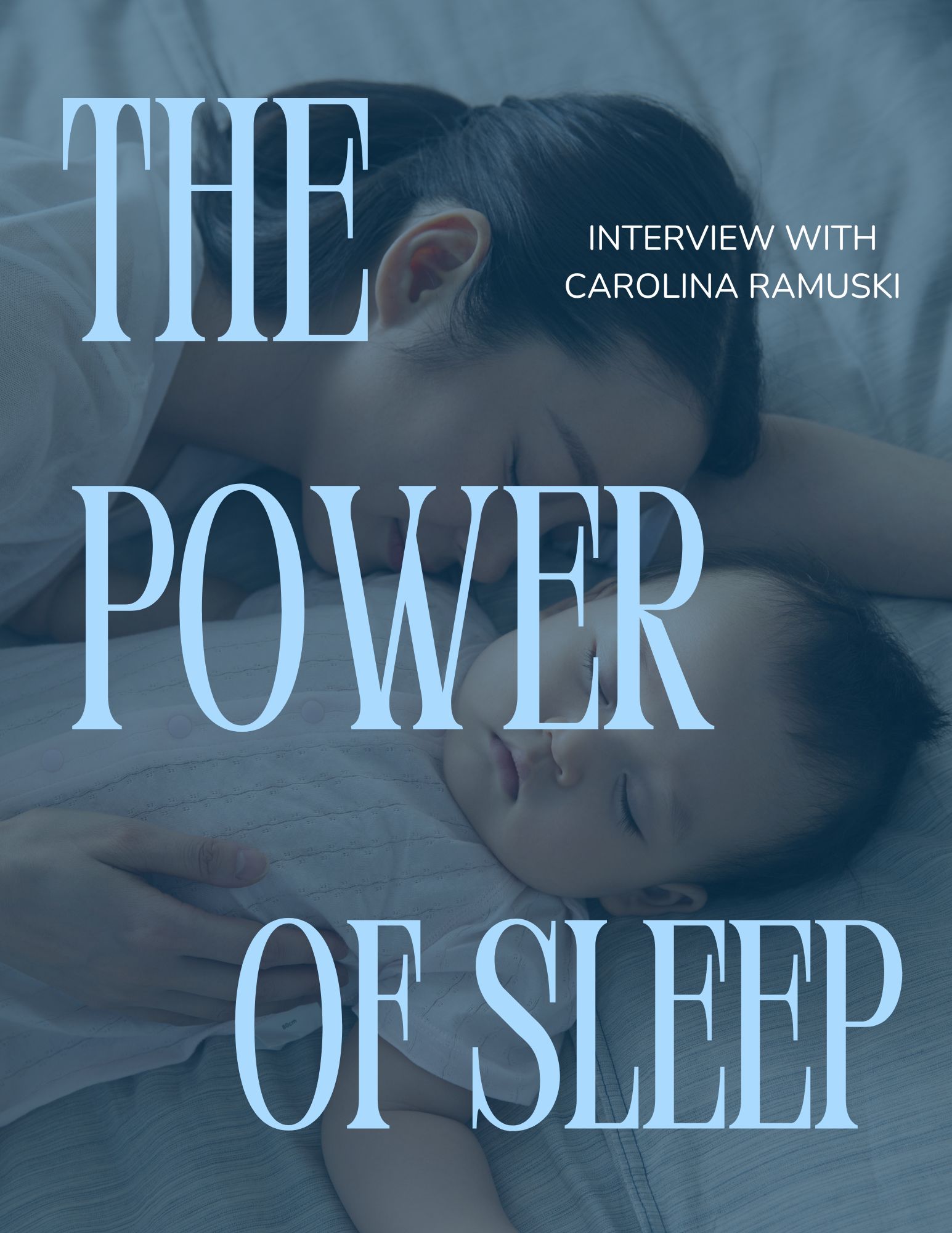

Interview with Carolina Ramuski
Sleep Expert for Parents & Kids
Sabina Bashir: Hi, today I am really excited to bring to you another very special guest — someone who is here to share her wisdom with us all.
Carolina is a sleep expert and has helped countless families understand sleep in a calmer, more empowering way, and today she’ll be sharing her knowledge to help us improve our children’s sleep, our own sleep, and the wellbeing of your whole home.
Let’s give her a warm welcome.
Carolina Ramuski: Thank you Sabina. I appreciate the opportunity to be here.
Sabina Bashir: Ypou're very welcome. So let's start with how you came into this valuable line of work?
Carolina Ramuski: I have always been fascinated by sleep, the brain and the rhythms that shape our wellbeing. I trained in nutrition, ancestral health and circadian biology, and started working with adult sleep in 2020. At the same time, I had already spent fifteen years working as a nanny, supporting families with children of all ages. That experience gave me a deep understanding of child development, emotional regulation, and what truly happens inside family life.
A close friend who had just had a baby once said to me, You have helped so many families as a nanny, and now you understand sleep so deeply. You should help babies and children too. That comment stayed with me. I completed a specialised baby and child sleep course and realised that combining my sleep expertise with my long nanny experience was the perfect way to serve families.
Since then, I have helped parents and children sleep better in a holistic, attachment aware, biology based way. My work today brings together everything I have learned about rhythms, emotional safety, and real life family dynamics.
17

Sabina Bashir: That is great for our audience to know. So as a nanny you have a lot of experience of working with children and will be all too familiar with how difficult it can be to get children into bed, let alone asleep. So tell us what are the early sleep red flags parent should look out for? Those that break sleep patterns and causes things to spiral.
Carolina Ramuski: There are a few subtle signs that often show up long before full sleep disruption begins. These include difficulty falling asleep even when tired, waking up frequently at night, early rising, heavy reliance on motion to fall asleep, and emotional meltdowns in the late afternoon. Another overlooked red flag is resistance or clinginess at bedtime, which can indicate that the child does not feel fully settled in their sleep environment.
Parents should also pay attention to the daytime rhythm. Irregular naps, inconsistent wake windows, too much indoor time, or overstimulation close to bedtime can all make nights harder. When these patterns appear, it is a sign that the child needs more predictable rhythms, more natural light and more connection during transitions.
Sabina Bashir: So to unpack what you're saying, parents need to plan for their children's sleep long before it even gets to bedtime? Like not letting them have irregular naps throughout the day. If they have a nap it should be at the same time, each day. They should get fresh air and not be indoors all the time, and build in a natural flow into the day, so that they actually feel tired by the end of the day. That's very helpful to know. So how would you say sleep directly influences a child’s emotional regulation and school readiness?
Carolina Ramuski: Sleep is the foundation for a child’s emotional and cognitive development. When children sleep well, their nervous system can reset, their hormones stabilise, and their brain processes everything they learned during the day. Good sleep supports attention, memory, impulse control, resilience and the ability to cope with stress. A tired child is not misbehaving. Their brain is running on empty.
When sleep is compromised, children become more reactive, more sensitive, and less adaptable. This affects school readiness more than almost anything else. A well rested child has better focus, calmer transitions, stronger emotional regulation and a much greater capacity to learn. Sleep is not just a health issue. It is an educational one.
18

Sabina Bashir: Wow. You know, that actually makes a lot of sense. Today especially, so many children go to bed far too late and then struggle to wake up in the morning for school because they’re overstimulated at night. They spend too long on electronic devices, and their minds don’t have a chance to slow down.
So of course they can’t process their stress during the night — their brains never actually switch off. Then they wake up stressed, and the whole negative cycle continues throughout their day.
So what is one realistic, low-effort sleep change parents can make tonight without overhauling everything?
Carolina Ramuski: The simplest and most powerful change is to move bedtime earlier. Most parents are unaware of the melatonin window in young children. For toddlers to early school age, natural melatonin rises between 6 and 8 p.m. If bedtime is pushed too late, children move past this window and become overtired. Cortisol rises, the body becomes wired, and both falling asleep and staying asleep become much harder.
Shifting bedtime 20 to 30 minutes earlier can make a huge difference. Keep the wind down simple. Dim lights, no screens, a few minutes of connection, and a predictable sequence. Children feel safe when they know what comes next. No long routines needed. Consistency and timing make the biggest impact.
Sabina Bashir: For parents who feel guilty or overwhelmed, what is your best advice for creating healthier sleep without adding pressure?
Carolina Ramuski: Parents often carry more guilt than they need to. Sleep is not about perfection. It is about rhythm, safety, and meeting the child where they are. Start with one small change rather than trying to fix everything at once. Choose an earlier bedtime, reconnect before sleep, spend more time outdoors during the day, or introduce a consistent wake time. Even one of these can shift the whole pattern.
Children respond to warmth and predictability more than to rigid rules. When parents stop blaming themselves and start working with biology, things improve quickly. The goal is not to create the perfect sleeper. The goal is to support a well rested, emotionally secure child.
Sabina Bashir: Well I don't know about anyone else, but I learned something new today.
If any one would like to work with Carolina to overcome their theirs or their children's sleep problems, then her details can be found below. Thank you again Carolina, I'm sure many of our readers will have found these tips helpful. I know I did. Thank you again.
Website: https://www.lullabylab.net
Email: [email protected]
Instagram: @lullabylabnet
Linkedin:https://www.linkedin.com/in/carolina-ramuski/
19